Caring for loved ones is an act as old as time. A review of 10 years of data also shows that care is a durable and growing sector for investment.
Opportunity in the care economy is rising. Demand for care services and supports persists across every category of care need, from pregnancy and child care to disability care and care for older adults. High costs and a constrained care workforce are pushing legacy care models to their limits, further intensifying the need for solutions that make care more scalable, accessible, and affordable. Innovators are meeting the moment—building the missing systems and supports for caregivers and their care recipients—but there is need for much more.
Just a few years ago, the term "care economy" was relatively niche, embraced by a small group of investors applying a care-centered lens. Today, a new wave of investors and innovators is entering the space, bringing capital and expertise from adjacent sectors. Meanwhile, AI-enabled innovation and expanded funding from institutional payers are rapidly reshaping what’s possible. The story the data tells over the last decade is consistent: care is not a passing trend, but a durable investment thesis rooted in enduring human needs and long-standing structural gaps.
The care economy
VC Investment Landscape
Beyond Ventures, Pivotal, and The Holding Co. present the first comprehensive analysis of venture capital investment in the U.S. care economy. Explore a decade of funding data, market trends, and emerging opportunities across the sector reshaping how Americans give and receive care. Further investment in the care economy will support the overall health and well-being of caregivers and their families.
$648B
Spent on care in the U.S. annually
700+
Venture-backed care economy companies in the sector
$26B
Amount of VC investment
since 2015
since 2015
45%
Increase in VC investment
(2020-2024 vs. 2015-2019)
(2020-2024 vs. 2015-2019)
Ten years of INVESTMENT IN THE CARE ECONOMY
Segments of the care economy
$26B in VC INVESTMENt (2015-2024)

Infant, Child &
Adolescent Care
$5.9B
Support spanning prenatal through adolescence, including child care solutions and tools that keep parents engaged in their children’s health and development.
612
# of deals, 2015-2024
+39%
Investment growth (CAGR), 2015-2024
46%
% of Care Economy
Investment in 2024
Investment in 2024
Services include
- Adolescent wellness
- Childcare
- Maternal health
- Parent engagement tools
- Pediatric digital health
- Postpartum
- Pregnancy

Care for Older
Adults
$7.1B
Support that enables older adults to age with dignity and independence, at home and in communities, while helping families coordinate health, financial, and social needs.
436
# of deals, 2015-2024
+16%
Investment growth (CAGR), 2015-2024
34%
% of Care Economy
Investment in 2024
Investment in 2024
Services include
- Aging-in-place tech
- Caregiver tools & resources
- Elder care coordination
- End-of-life
- Medicare navigation
- Senior living software
- Social engagement

Caregiver Supports
& Benefits
$1.5B
Support that helps caregivers navigate care, coordinate services, access benefits, navigate financial decisions, manage care for disabilities and chronic conditions, and feel like they have resources to turn to.
244
# of deals, 2015-2024
+24%
Investment growth (CAGR), 2015-2024
13%
% of Care Economy
Investment in 2024
Investment in 2024
Services include
- Benefits navigation
- Chronic condition support
- Complex care coordination
- Disability care
- Family caregiver support
- Leave management

household
managEment
$11.6B
Support that takes routine domestic tasks off families' plates, from meal delivery and cleaning to errands and maintenance, freeing up time and mental energy for what matters most.
343
# of deals, 2015-2024
-16%
Investment growth (CAGR), 2015-2024
8%
% of Care Economy
Investment in 2024
Investment in 2024
Services include
- Errands
- Grocery & meal delivery
- Home robotics
- Home services
- Household logistics
- Tech-enabled cleaning and home maintenance
WHAT’S EXCLUDED FROM
THESE SEGMENTS
This framework focuses on the labor of day-to-day caregiving. It excludes:
Traditional Healthcare in Clinical Settings • Biotech • General Mental Health • Aesthetics & Life Extension • Vitamins & Supplements • Broad Women’s Health (e.g., menopause, fertility) • K-12 Education • Toys & Gaming • Physical Care Facilities • Retail Spaces • Discretionary Household Responsibilities (e.g., pet care)
8 investment data TRENDS
1
Care for Older Adults and Infant, Child & Adolescent Care currently drive the care sector.
In 2015, VC investment in the care economy was largely in Household Management (73% in 2015). Over time, this has shifted, and in 2024,Infant, Child and Adolescent Care and Care for Older Adults together accounted for 80% of investment. This change reflects the maturation of on-demand household services and a reallocation of capital toward care categories driven by demographic pressures.
2
Care mirrors broader VC cycles while maintaining momentum.
Care is a sizable investment category, averaging $2.6 billion VC investment per year over the past decade. Consistent with the overall market, VC investment peaked substantially in 2021, before correcting in 2022. Investment in the care economy has steadily increased at a CAGR of 8% from 2015-2024 and consistently represents 1-2% of the overall US VC market.
3
VC investment in care during 2020-2024 was 45% higher than the prior five-year period.
The five-year period between 2020-2024 saw strong growth in both deal count and deal value for the care economy. These increases were particularly strong for Infant, Child, & Adolescent Care and Caregiver Supports & Benefits. Care for Older Adults also grew across both metrics, while Household Management experienced a decline.
4
Later-Stage Care Companies Now Lead Investment Activity.
The care economy experienced a stronger pandemic-era investment surge than the overall VC market, but it saw a sharper pullback since 2021. Capital is concentrating more in later-stage care economy companies, suggesting a push to proven models in the past couple years, and in 2024, later-stage deals led care economy investment activity for the first time.
5
The top VC-backed companies across the care economy have valuations above $1B.
The care economy has produced 13 billion-dollar companies across each of the four segments named in this report. At the same time, a strong pipeline of high-value companies just below the $1B mark signals significant headroom for the next wave of growth and category-defining leaders.
6
The care economy has produced multiple multi-billion-dollar exits.
The care economy has produced six multi-billion dollar exits over the past decade. Household Management delivered the majority of care economy exits over the past 10 years, driven by IPOs in the meal and grocery delivery segments. 2020 was an outlier year for exit value in the care economy, including outsized exits for Doordash (IPO) and Postmates (M&A).
7
Care has attracted leading generalist and specialist investors.
20 firms have made 15+ investments in the care economy, including several blue chip investor firms. There are a mix of generalist and more targeted investors in the list, as well as the presence of accelerators like Y Combinator and Techstars to help seed the field.
8
Care economy companies are geographically dispersed, with concentration on the coasts.
Of the 162 venture deals that took place in 2024, the majority of the care economy companies receiving investment were based in the Mid-Atlantic and the West Coast. However, investment recipients were based in every region across the country.
Top Care Economy VC-backed Companies by Post Value across Segments
Infant, Child & Adolescent Care
Maven, $1.7B (2024)
Branch, $1.3B (2023)
Zum, $1.3B (2024)
Elemy, $1.1B (2021)
ByHeart, $908M (2025)
Branch, $1.3B (2023)
Zum, $1.3B (2024)
Elemy, $1.1B (2021)
ByHeart, $908M (2025)
Care for Older
Adults
Devoted, $13B (2024)
Papa, $1.4B (2021)
Chapter Medicare, $1.4B (2025)
Honor, $1.3B (2021)
Electronic Caregiver, $544M (2022)
Papa, $1.4B (2021)
Chapter Medicare, $1.4B (2025)
Honor, $1.3B (2021)
Electronic Caregiver, $544M (2022)
CAREGIVER SUPPORTS & BENEFITS
Thyme Care, $1.5B (2025)
Verse Medical, $772M (2025)
Tomorrow Health, $400M (2022)
Sparrow, $375M (2025)
Solace, $300M (2025)
Verse Medical, $772M (2025)
Tomorrow Health, $400M (2022)
Sparrow, $375M (2025)
Solace, $300M (2025)
household
managEment
Weee!, $4B, (2022)
Thumbtack, $3.2B, (2021)
Misfits Market, $2B, (2021)
Thrive Market, $1.6B, (2020)
Hungryroot, $750M, (2021)
Thumbtack, $3.2B, (2021)
Misfits Market, $2B, (2021)
Thrive Market, $1.6B, (2020)
Hungryroot, $750M, (2021)
1 of 8


Transformative Business value
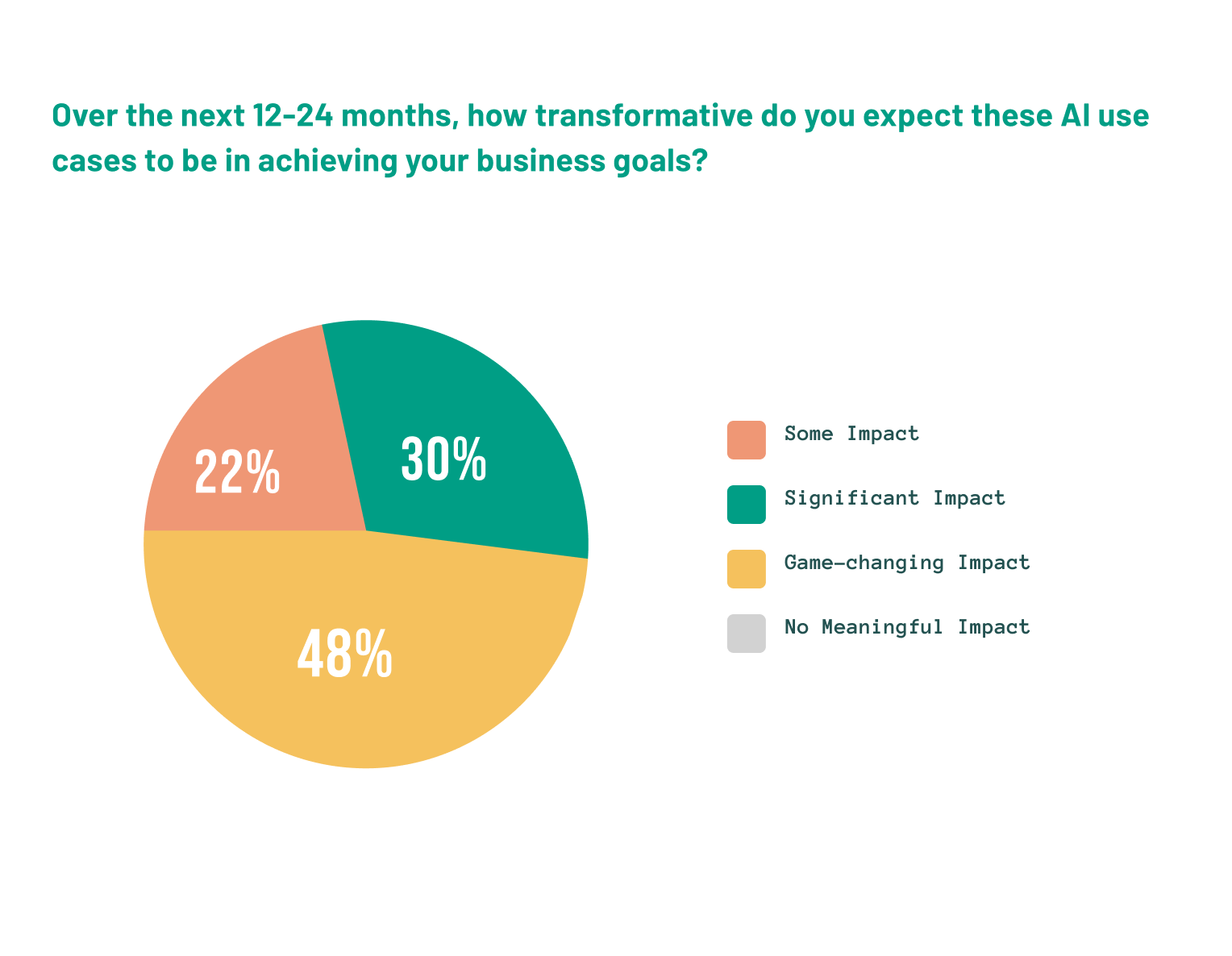
AI in care increasingly represents a compelling opportunity: Applications are already generating measurable value, the addressable market is considerable, and the sector's structural inefficiencies create abundant space for improvement.
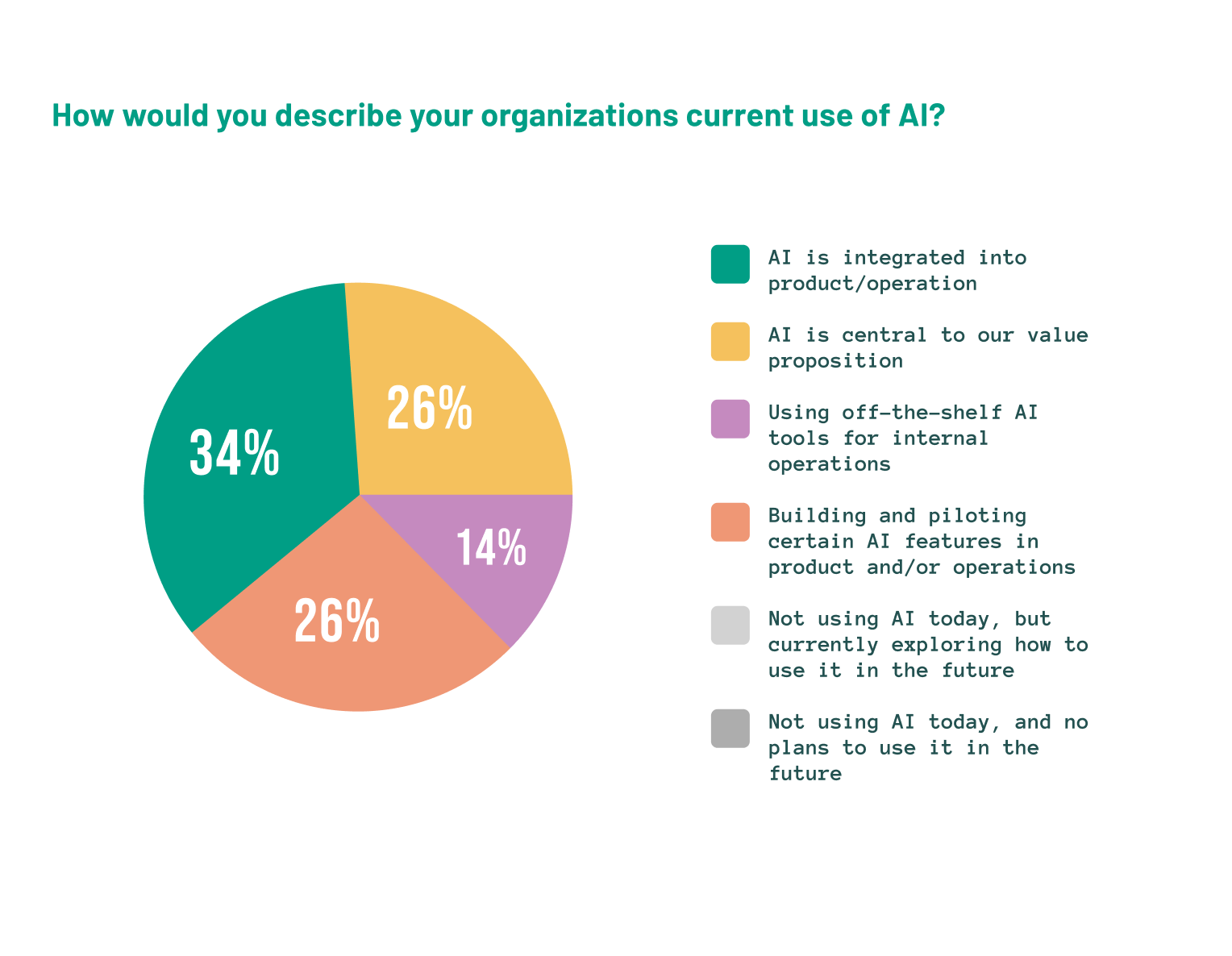
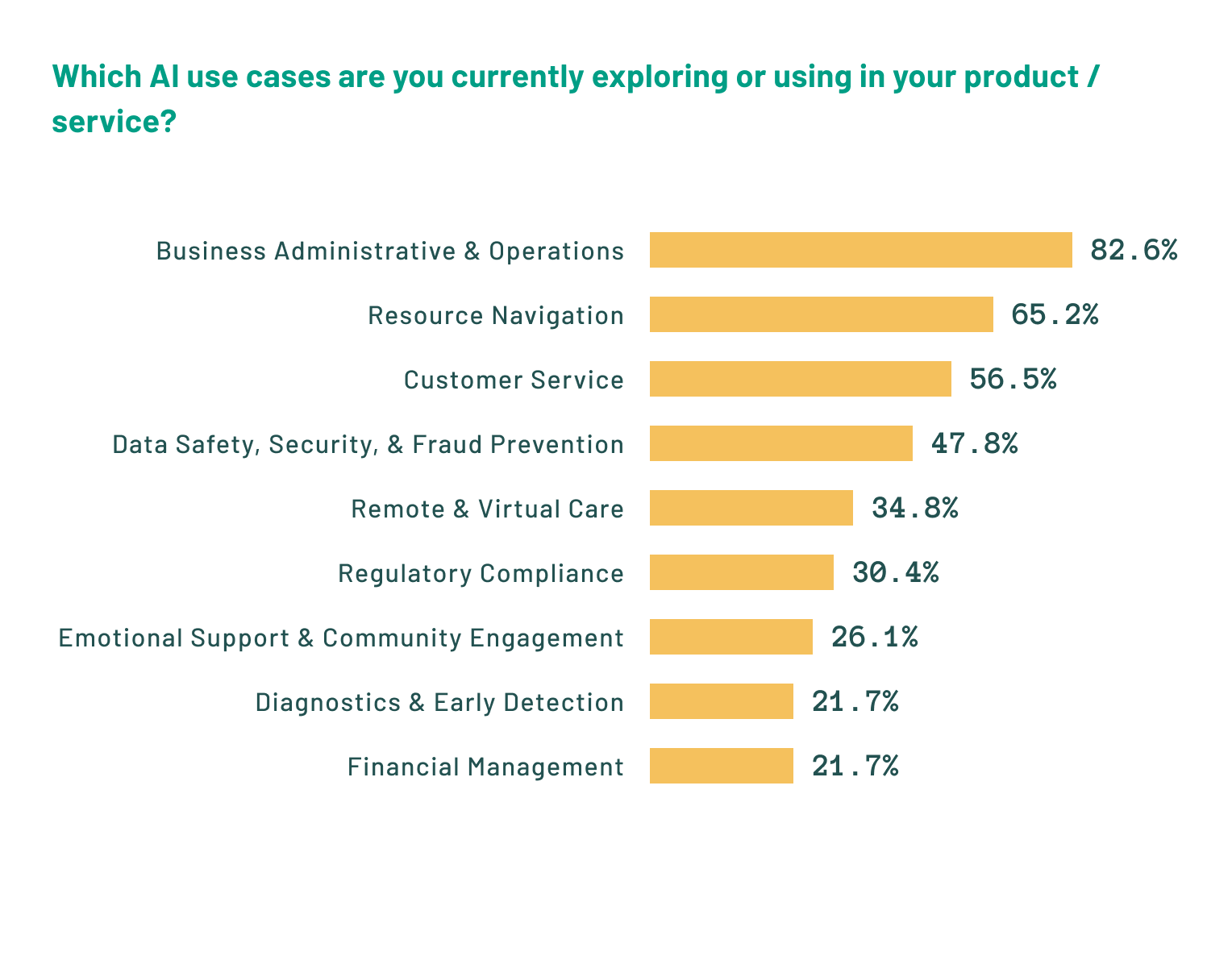
Like other industries, AI is most immediately addressing operational inefficiencies across the spectrum of care. But beyond digitizing workflows, AI’s most transformative application in the care space comes in the form of personalization and prediction. AI makes the personalization of care economically viable by processing large volumes of care recipient data to generate customized care pathways at scale. And predictive models allow caregivers to anticipate risk earlier than human pattern recognition would allow, shifting interventions upstream where outcomes are better.
Like other industries, AI is most immediately addressing operational inefficiencies across the spectrum of care. But beyond digitizing workflows, AI’s most transformative application in the care space comes in the form of personalization and prediction. AI makes the personalization of care economically viable by processing large volumes of care recipient data to generate customized care pathways at scale. And predictive models allow caregivers to anticipate risk earlier than human pattern recognition would allow, shifting interventions upstream where outcomes are better.
Innovator Survey Findings
Data from 23 care economy innovators, spanning pre-seed to Series C+.
measurable impact
Published research on AI's early returns in care.
21%+
21-45% estimated time professionals can reclaim in routine, content-heavy, and data-driven work according to Boston Consulting Group.
4.8x
Faster labor productivity growth in industries that have embraced AI compared to the global average, according to PricewaterhouseCoopers.
64%
Percentage of healthcare organizations implementing AI use cases that report anticipated or realized positive ROI, according to McKinsey.
navigating complexity
Despite clear use cases and demonstrated value, AI adoption in care can be slowed due to structural complications inherent to the care sector. AI-based hallucinations and errors can have real human consequences, particularly in vulnerable care environments. The regulatory environment of AI often creates uncertainty of where liability sits, slowing adoption. Algorithmic bias and language barriers can lead to reduced reliability when AI interacts with non-standard speech or multilingual communication. And families are understandably wary of surveillance technologies in intimate care settings. Companies that solve for regulatory pathways, data governance, and family trust build defensible positions that are difficult to replicate.
what this means today
The clearest strategic principle for AI in care is that it must augment human capacity rather than replace human presence. The highest-quality outcomes emerge when AI handles complexity and scale (e.g., data processing, pattern detection, repetitive tasks, documentation) so that humans can focus on what remains irreducibly human: empathy, judgment, presence, and relational continuity.
We talk about our customers as the 'COO of the household' and we've long been an AI forward company, trying to use these tools thoughtfully to reduce the mental load on them.
.png)
Laura Jones
Chief Marketing Officer
Instacart
Chief Marketing Officer
Instacart
AI and automation are key to supporting overburdened staff. It's not about replacing people; it's about superpowering them. Caregivers deserve tools that make their jobs easier.

Justin Schram
Co-Founder
august health
Co-Founder
august health

Transformative Business value
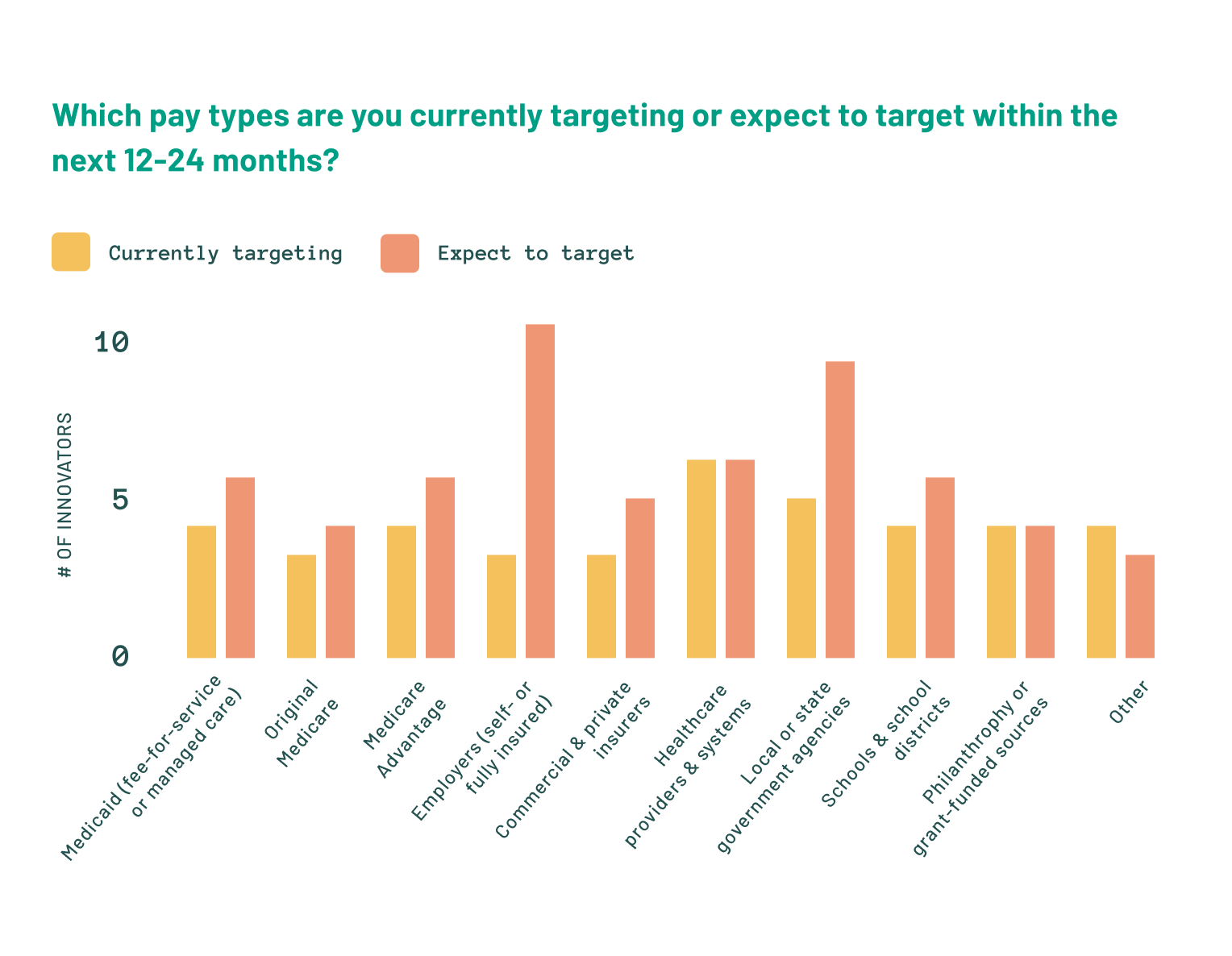
Institutional payers are public or private organizations (e.g., Medicaid, Medicare, private employers, state government) that finance care at scale and unlock unique value that compounds over time. Multi-year contracts with defined reimbursement rates provide revenue predictability that reduces capital risk and enables long-term planning. These payers demonstrate willingness to pay for outcomes, creating viable markets for upstream interventions (e.g., preventive care, chronic condition management, and care coordination) that have the ability to improve the health and well-being of families.
Importantly, payer relationships provide built-in market validation. If a company successfully navigates the complexity of regulatory obligations, reimbursement codes, and geography-specific requirements to secure payer contracts, it has demonstrated sophisticated product-market fit at institutional scale.
Importantly, payer relationships provide built-in market validation. If a company successfully navigates the complexity of regulatory obligations, reimbursement codes, and geography-specific requirements to secure payer contracts, it has demonstrated sophisticated product-market fit at institutional scale.
Innovator Survey Findings
Data from 17 care economy innovators, spanning pre-seed to Series C+.
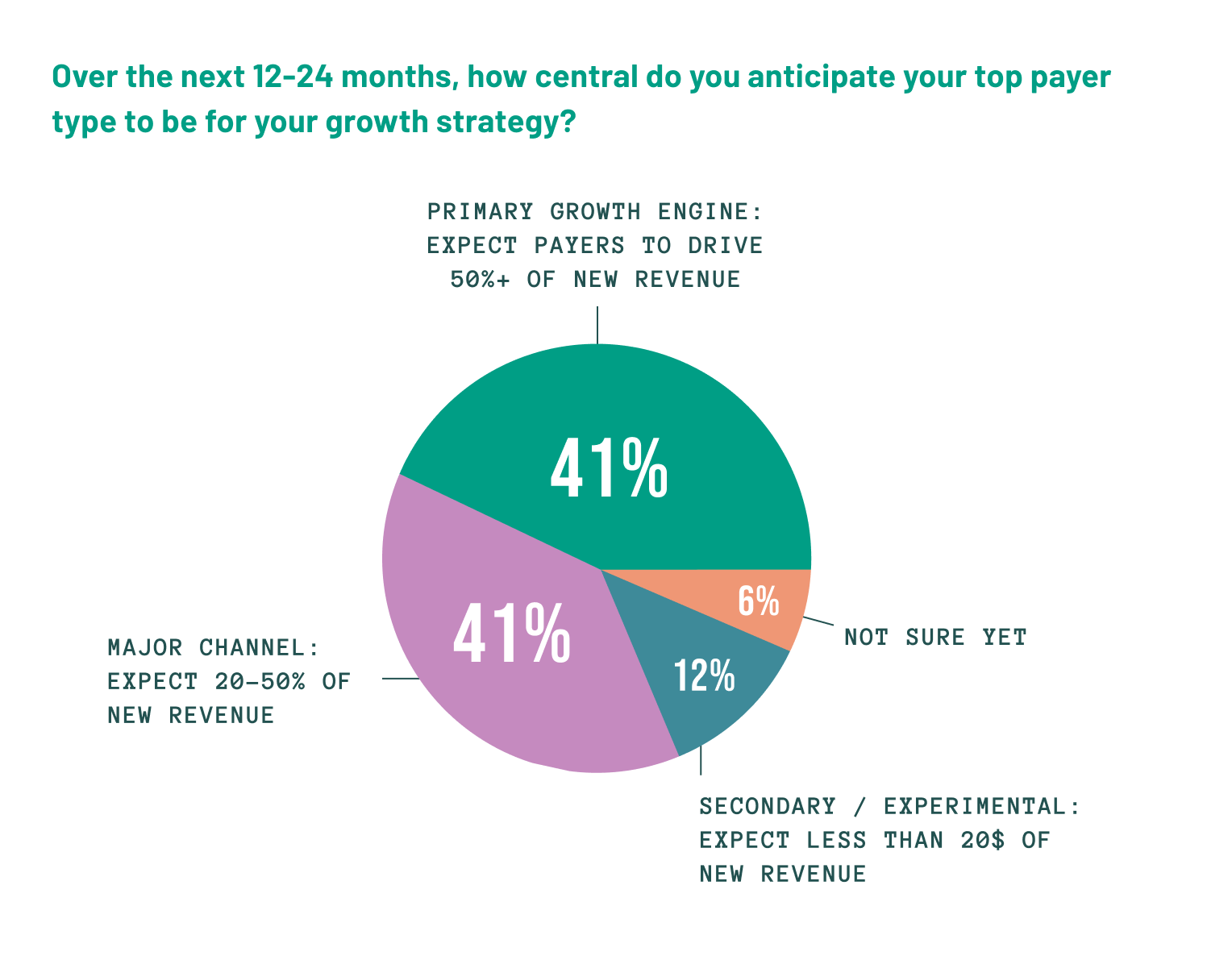
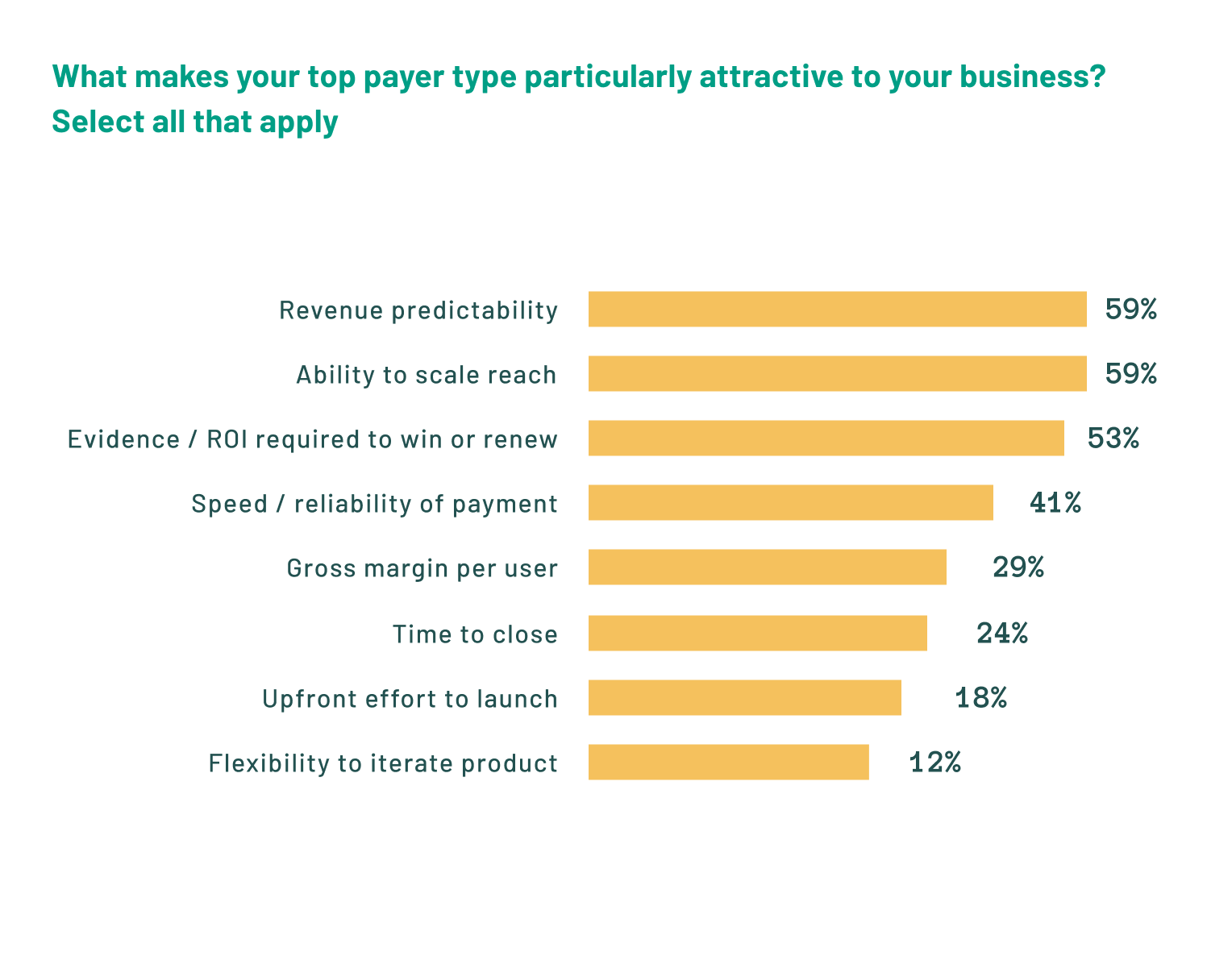
measurable impact
Published research on the
market size of select payers.
market size of select payers.
$145B
Allocated to Medicaid home- and community-based services in 2023, out of a total $229B for long-term services & supports.
$38B
Spent on supplemental benefits, including caregiving supports, by Medicare Advantage plans in 2024.
$14.6B
In federal funding available in 2024 for child care and older adult care through the Child Care Development Fund and Older Americans Act.
navigating complexity
Relationships with institutional payers carry operational and financial challenges that favor well-capitalized, operationally sophisticated organizations. Sales cycles can be long, creating significant working capital requirements (e.g., Medicare Advantage plans operate on rigid annual cycles with narrow enrollment windows). Margins can vary by payer type and be thin, with private employers negotiating aggressively and Medicaid rates failing to cover the full cost of service delivery. While complex, these dynamics create an opportunity for organizations with operational capacity and capital discipline to support more caregivers over time.
what this means today
In 2026, the payer landscape presents a paradox: The care economy market continues to mature, but the timing is particularly challenging. More caregiving services are covered by institutional payers today than at any point in history. In particular, employers are playing an increasingly important role in creating the case and showcasing the need for caregiving solutions. The long-term fundamentals are undeniable (e.g., aging demographics, workforce participation pressures, growing political recognition of care as essential infrastructure), but Medicaid budget pressures, Medicare Advantage rate uncertainties, and federal policy ambiguity have caused some payers to retrench. In this environment, well-capitalized companies with diverse payer relationships can emerge stronger and scale their impact when payer budgets normalize.
Rising healthcare costs are pushing payers to question traditional treatments and embrace new evidence-based, patient-centered caregiving solutions that deliver better outcomes faster at lower cost.

Ita Ekpoudom
Partner
gingerbread capital
Partner
gingerbread capital
The growth of payer interest has been pretty fundamental to our own growth. Our payer clients pushed us from a focus on elder care and complex care to expand into child care. Now, we’re a birth through bereavement platform.
.png)
Mike Jones
SVP, Communications & Marketing
wellthy
SVP, Communications & Marketing
wellthy
Key investment opportunities
Investors express particular excitement about breakthrough care companies in the following four areas. Across each of these themes, innovators are utilizing the power of AI and targeting a range of payers in order to create transformative offers.
BUILDING THE SYSTEMS THAT AMPLIFY THE CARE WORKFORCE
There are legacy industries like caregiving that power real work, but have been bypassed by modern technology. The opportunity is to build the modern data infrastructure and operating platforms for these industries.

Justin Schram
Co-Founder
August Health
Co-Founder
August Health
Care runs on legacy systems. Many senior living facilities, home health agencies, child care centers, and disability services still rely on paper forms, fax machines, spreadsheets, and fragmented point solutions. The resulting operational debt is enormous, with slow reimbursement cycles, high administrative burden, poor data visibility, and workflows that fail both care workers and families.
Generalist investors already have a playbook for this problem. Vertical SaaS has modernized construction, logistics, restaurants, legal services, and real estate. Care represents one of the largest remaining sectors where this playbook has not yet fully played out.
Modern AI tools are transforming legacy care infrastructure by stripping away administrative friction and stabilizing a strained workforce. Rather than replacing the human element, these technologies are designed to augment it, making caregiving more sustainable through optimized workflows and improved staff retention. AI has the potential to enable high-quality care delivery at scale, even as global labor shortages intensify.
Generalist investors already have a playbook for this problem. Vertical SaaS has modernized construction, logistics, restaurants, legal services, and real estate. Care represents one of the largest remaining sectors where this playbook has not yet fully played out.
Modern AI tools are transforming legacy care infrastructure by stripping away administrative friction and stabilizing a strained workforce. Rather than replacing the human element, these technologies are designed to augment it, making caregiving more sustainable through optimized workflows and improved staff retention. AI has the potential to enable high-quality care delivery at scale, even as global labor shortages intensify.
Company snapshots
august health
A builder of software that replaces outdated paperwork in senior living facilities with intuitive, mobile-friendly tools. The platform uses AI to flag residents who need extra attention, automatically update care plans when needs change, and align staffing to care demands. Rather than replacing caregivers, the AI acts as a smart assistant—helping staff make faster decisions by surfacing patterns and suggesting best practices.
key Customers
Senior living operators &
communities
communities
by the numbers
$29M
Raised in Series B funding in 2025
3x
Revenue growth multiplier in 2023
LILLIO
A child care management platform that uses AI to automate administrative tasks like billing, attendance tracking, and compliance documentation for child care centers. The platform enables educators to document children's daily activities (including meals, naps, behaviors, and developmental milestones) with photos and videos through a mobile app, replacing traditional paper-based record-keeping.
key Customers
Child care centers, state subsidy programs
by the numbers
$55.6M
Raised in Series B funding in 2021
10k+
Child care centers use the platform, as of 2023
Zingage
Developer of an AI-driven care delivery platform designed to streamline and improve home-based healthcare operations. The company offers automated scheduling, staffing, and compliance tools that integrate with existing electronic medical records (EMRs), enabling home healthcare providers to deliver consistent, reliable care to patients.
key Customers
Home healthcare agencies & providers
by the numbers
$12.5M
Raised in Seed funding in 2025
400+
Home care agencies served nationwide
Protecting trust in an AI-enabled world
The creativity, richness and volume of AI-based elder fraud scams is terrifying. We've been spending a lot of time thinking about safer internet experiences, in a world of AI targeting elders. At the same time, parents are trying to figure out how to better manage their kids' devices and internet experiences safely while letting them find the joy of creativity online.

Elana Berkowitz
Co-Founder & Partner
Springbank
Co-Founder & Partner
Springbank
Care’s trust systems are outdated. Identity verification, background checks, credentialing, and monitoring are fragmented, point-in-time, and inconsistently enforced. Background checks are often run once and never updated. Credentials lapse without detection. Families and operators are left to assume risk in environments where stakes are exceptionally high.
Fraud has evolved beyond clumsy phishing emails or obvious scams. Elder fraud is now creative, personalized, and increasingly effective, powered by voice cloning, synthetic identities, and targeted social engineering. As older adults become aware of these threats, their willingness to engage digitally erodes, undermining the very platforms designed to improve access, coordination, and care delivery.
The opportunity is to build trust. Think identity verification designed for high-stakes care interactions, continuous background monitoring instead of point-in-time checks, AI-powered fraud detection tuned for elder scams and caregiver impersonation, and secure communication layers that can detect manipulation before harm occurs.
Fraud has evolved beyond clumsy phishing emails or obvious scams. Elder fraud is now creative, personalized, and increasingly effective, powered by voice cloning, synthetic identities, and targeted social engineering. As older adults become aware of these threats, their willingness to engage digitally erodes, undermining the very platforms designed to improve access, coordination, and care delivery.
The opportunity is to build trust. Think identity verification designed for high-stakes care interactions, continuous background monitoring instead of point-in-time checks, AI-powered fraud detection tuned for elder scams and caregiver impersonation, and secure communication layers that can detect manipulation before harm occurs.
Company snapshots
carefull
Developer of a financial safety platform designed to protect users from financial threats and errors. The company's platform offers a comprehensive financial safety service that safeguards money, credit, and identity from various threats and protects against external dangers like fraud and identity theft, as well as internal risks such as accidental overdrafts, enabling businesses to tackle senior-specific challenges to financial safety.
key Customers
Banks, credit unions, wealth advisors, and insurers
by the numbers
$16.5m
Raised in Series A funding in 2023
35+
Financial institutions and advisor groups served
Zigazoo
Developer of a child-focused social networking platform designed to provide a safe and moderated environment for creative expression and digital learning. The company's platform features video creation and sharing, positive-only interactions, human moderation, branded content channels, educational challenges, and opportunities for brands and creators to engage with users.
Key customers
Brand partnerships, D2C
by the numbers
$17m
Raised in Series A funding in 2022
500M+
Videos watched on the platform in 2023
trustworthy
A secure “family operating system” that helps families store, organize, and share critical documents including wills, insurance policies, medical records, and financial information. The platform enables caregivers to securely manage elderly parents' affairs, with controlled access permissions and dark web breach monitoring. Built for moments when access to critical information matters most.
key customers
Home healthcare agencies & providers
by the numbers
$19.7M
Total funding raised with a $15M Series A in 2022
43%
of family offices globally have had a cyberattack
Upstream diagnoses for more holistic care
We use a proprietary algorithm we’ve built to help payers and providers use claims and EHR data to find patients who likely have dementia in a population that either don’t know it or have not yet acknowledged it. And, we work on their behalf to invite them into an assessment where we can provide an appropriate diagnosis and ongoing treatment and care, if needed.

Kris Engskov
Co-Founder & CEO
rippl
Co-Founder & CEO
rippl
Many of the costliest and most emotionally devastating care journeys begin with late or missed diagnoses, not because conditions are rare, but because screening remains expensive, inaccessible, episodic, or poorly designed for real life. Children, elders, and other vulnerable populations are underserved by traditional detection models that rely on infrequent clinical visits and access to specialists.
Advances in sensors and genomics are changing this equation. Inexpensive, scalable screening tools can now be delivered outside traditional clinical settings: at home, in schools, in primary care, or embedded into everyday digital interactions. These tools shift detection earlier, when interventions are cheaper, outcomes are better, and the burden on families is dramatically lower.
Moving diagnosis upstream allows care coordination to move upstream as well. This improves clinical outcomes, reduces downstream costs, and creates durable value for families, providers, and payers. Many of the most impactful screening scenarios (e.g., autism, dementia, hereditary risk, cognitive decline) remain rich opportunities for ongoing innovation.
Advances in sensors and genomics are changing this equation. Inexpensive, scalable screening tools can now be delivered outside traditional clinical settings: at home, in schools, in primary care, or embedded into everyday digital interactions. These tools shift detection earlier, when interventions are cheaper, outcomes are better, and the burden on families is dramatically lower.
Moving diagnosis upstream allows care coordination to move upstream as well. This improves clinical outcomes, reduces downstream costs, and creates durable value for families, providers, and payers. Many of the most impactful screening scenarios (e.g., autism, dementia, hereditary risk, cognitive decline) remain rich opportunities for ongoing innovation.
Company snapshots
isaac health
Provider of digitally enabled dementia care services intended to offer patients brain health and cognitive care support. The company's services focus on improving the quality, experience, and medical loss ratio through increasing diagnosis rates and access to specialist care and management, enabling medical professionals to help patients and their families be healthy and happy.
key customers
Healthcare providers, private insurance
by the numbers
$10.5M
Raised in Series A funding in 2025
28%
Reduction in hospital days for members living with dementia
EarliPoint Health
Developer of diagnostic and therapeutic health technology for children with autism spectrum disorder (ASD) and early childhood vulnerabilities. The company's device uses dynamic quantification of social-visual engagement to capture moment-by-moment looking behavior imperceptible to the human eye, enabling parents, providers, and caregivers to deliver individualized and targeted therapy when needed.
key customers
Healthcare providers, Medicaid, private insurance carriers
by the numbers
$21.5M
Raised in Series B funding in 2024
12
Devices used in 8 centers across 6 states since 2024
Cognoa
Developer of digital diagnostics and therapeutics technology designed to improve lifelong outcomes for children at risk for developmental delay. The company uses responsible artificial intelligence, which allows it to identify subtle signs of developmental delays and assess children's developmental progress, enabling healthcare providers to access insights that can help them make informed diagnoses.
key customers
Healthcare providers, Medicaid, private insurance carriers
by the numbers
$127M
Raised across multiple series as of 2022
2024
Year that first Medicaid program, Wyoming, covered services
Where care and complex finances collide
"We're closely tracking the great transfer of wealth currently underway. Given the central role of women in family caregiving, including household affairs and estate execution, we're especially interested in fintech solutions designed for 'multi-player' accessibility and advancement."

Joanna Drake
Co-Founder & Managing Partner
MAGNIFY VENTURES
Co-Founder & Managing Partner
MAGNIFY VENTURES
A massive wealth transfer is underway, but much of that wealth is being intercepted by care costs before it ever reaches the next generation. Serious illness, cognitive decline, and end-of-life care are forcing families to liquidate assets, drain savings, and make high-stakes financial decisions without adequate tools or guidance.
This creates a large opportunity for infrastructure that helps families navigate the financial and logistical complexity of caregiving. Today, families face these transitions with paper documents, disconnected advisors, and no clear framework for planning. Unlike housing or retirement, there is no widely accepted model for how to budget for care, how to sequence spending across public benefits and private assets, or how to protect estates from being unintentionally wiped out by care costs.
In this context, women are emerging as the primary financial decision-makers in care. As women outlive spouses, they are more likely to inherit and manage family assets, serve as executors, and coordinate care financing. This demographic shift is creating a new cohort of financially responsible caregivers with distinct needs.
This creates a large opportunity for infrastructure that helps families navigate the financial and logistical complexity of caregiving. Today, families face these transitions with paper documents, disconnected advisors, and no clear framework for planning. Unlike housing or retirement, there is no widely accepted model for how to budget for care, how to sequence spending across public benefits and private assets, or how to protect estates from being unintentionally wiped out by care costs.
In this context, women are emerging as the primary financial decision-makers in care. As women outlive spouses, they are more likely to inherit and manage family assets, serve as executors, and coordinate care financing. This demographic shift is creating a new cohort of financially responsible caregivers with distinct needs.
Company snapshots
alix
Developer of an artificial intelligence-powered settlement platform designed to automatically manage the disbursement of estates and probate procedures. The company's secure digital portal gives users a plan, guides them along each step of the process and does the work for them, enabling clients with clear and simple guidance, making their involvement as straightforward and minimal as possible.
key Customers
Family caregivers, life insurance carriers
by the numbers
$20M
Raised in Series A funding in 2025
1.5k+
Funeral homes accessible via Elevia partnership
True Link Financial
Operator of a financial company intended to serve vulnerable adults, people with disabilities, and those recovering from addiction. The company offers prepaid cards, investment management, and other financial services to help people with special needs preserve lifesaving medical benefits, prevent impulsive cash withdrawals or purchases that could lead to a relapse, and provide personalized retirement investment plans.
key customers
Individuals, caregivers, special needs trust administrators
by the numbers
$35M
Raised in Series B funding in 2020
2.4X
Growth of AUM to $1.6B, 2020-2025
empathy
Developer of a comprehensive bereavement support system designed to guide and support families along the journey of loss. The company specializes in personalized care plans, dedicated care managers, and tools for managing administrative tasks such as funeral planning, account closures, and benefit claims and offers help through a guide for all their financial, legal, emotional, and logistical challenges.
key customers
Life insurance carriers, employers, benefit platforms
by the numbers
$72M
Raised in Series C funding in 2025
45m+
Supported across the U.S. and Canada
care economy
market map
The following companies represent an illustrative set of venture-backed leaders across the four care economy segments. These innovators are demonstrating strong traction, attracting investor confidence, and building durable businesses while addressing some of the most pressing unmet needs impacting the overall health and well-being of American families.
infant, child and adolescent care




















care for older adults




















Caregiver supports & benefits




















household management




















About this report
This report is a collaboration between Pivotal, Beyond Ventures, and The Holding Co. It joins a growing body of research in the Invest in Care ecosystem, building on prior work that has examined the caregiving landscape, policy frameworks, and market dynamics shaping the future of care. This analysis, led by Beyond Ventures, draws on ten years of U.S. venture capital funding data (2015–2024), tracking 700+ companies across four segments: Infant, Child & Adolescent Care; Care for Older Adults; Caregiver Supports & Benefits (previously titled Adult & Family Care); and Household Management.
Company data was sourced from PitchBook. Investment figures reflect disclosed deal values and may undercount activity where deal terms were not publicly reported. Supplemental insights were sourced through primary research, including interviews with investors, founders, and sector experts, as well as prior research from the Invest in Care ecosystem. Additional data on AI and institutional payers was compiled via a survey of 23 venture-backed care company leaders ranging from pre-Seed to Series C+ stages.